
Practical Examples of Sustainable Weight Loss Foods

Choosing what to eat for lasting weight loss is harder than most articles admit. The real challenge is not finding a diet that works for two weeks. It is finding examples of sustainable weight loss foods you can actually build a life around. Foods that keep you full, support your metabolism, and do not require you to eat the same three meals forever. This article walks through specific, research-backed food examples organized by category, explains why each one works, and gives you a practical framework for putting them together in real meals.
Table of Contents
Key takeaways
Point | Details |
Volume and fiber drive satiety | High-fiber, high-water foods fill your plate and your stomach without excess calories. |
Traditional diets offer proven models | Frameworks like the Milpa and New Nordic diets provide time-tested, sustainable food examples. |
Plant proteins support long-term adherence | Legumes, seeds, and nuts deliver protein and fiber that keep hunger manageable for hours. |
Whole grains beat refined carbs every time | Rye, oats, and barley provide slow-digesting energy that stabilizes blood sugar and reduces cravings. |
Meal prep prevents poor choices | Having ready-to-eat staples on hand is one of the most effective strategies for sticking to a plan. |
Examples of sustainable weight loss foods: what makes them qualify
Not every healthy food is a sustainable weight loss food. The distinction matters. A food earns that label when it consistently supports fullness, provides meaningful nutrition, fits into everyday cooking, and does not create the kind of deprivation that leads to bingeing.
Here is what to look for when evaluating your options:
High fiber and water content. These two factors increase meal volume without adding significant calories. Feeling full from volume, not just calorie count, is one of the most reliable strategies for long-term weight management.
Balanced macronutrients. The best foods for weight loss combine lean or plant-based protein, complex carbohydrates, and healthy fats. This combination slows digestion and keeps blood sugar stable.
Minimal processing. Whole foods promote sustainable weight loss while ultra-processed options increase obesity risk, even when calories appear similar.
Environmental and practical sustainability. Seasonal, locally sourced, and minimally packaged foods tend to be fresher, more affordable, and better for the planet. Eco-friendly weight loss and personal health goals align more often than people realize.
Ease of preparation. If a food requires two hours of cooking on a Tuesday night, it will not stay in your rotation. Practical matters.
Traditional dietary frameworks offer excellent starting points. The Milpa diet combines maize, beans, squash, and chili into a nutrient-dense, high-fiber pattern that supports metabolic health without restriction. The New Nordic Diet focuses on rye, oats, barley, and root vegetables for similar results. Plant-forward diets like the Mediterranean and DASH models are also associated with less weight gain over time, particularly for women navigating hormonal changes.
Pro Tip: When building your plate, aim for at least half of it to be vegetables or fruit before adding protein and grains. This simple habit naturally reduces calorie density without requiring you to count anything.
1. Cucumbers
Cucumbers are about 96% water by weight, making them one of the most effective high-volume, low-calorie foods available. A full cup of sliced cucumber contains roughly 16 calories. That is not a typo. You can eat a generous portion, feel physically full, and barely register the calorie impact.
Slice them into salads, use them as a vehicle for hummus, or add them to water for a more satisfying hydration habit. Their neutral flavor makes them one of the easiest vegetables to work into any meal plan.
2. Broccoli and cauliflower
Both of these cruciferous vegetables deliver fiber, vitamin C, and a surprising amount of protein for plant foods. A cup of cooked broccoli provides about 5 grams of fiber and 4 grams of protein. Cauliflower has become well-known as a rice substitute, but it works equally well roasted, mashed, or added to soups.
Starting meals with a small salad or broth-based soup reduces subsequent calorie intake by around 20%. Adding broccoli or cauliflower to either of those starters amplifies the effect. These are genuinely useful tools in nutritious weight loss meals.
3. Berries
Berries pack more fiber per calorie than almost any other fruit. Raspberries deliver 8 grams of fiber per cup at about 65 calories. Blackberries come close. Blueberries and strawberries offer slightly less fiber but significantly more antioxidants, which support metabolic health over time.
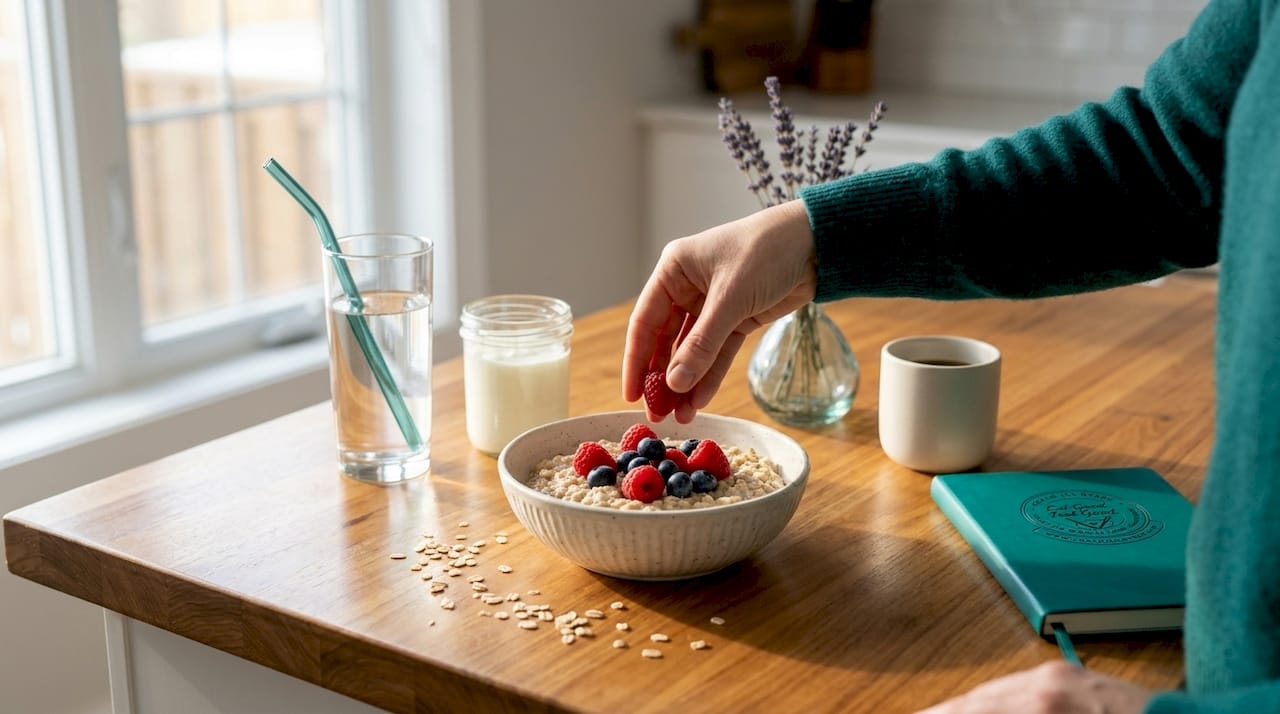
The practical advantage of berries is their versatility. They work in oatmeal, yogurt, smoothies, or eaten plain. Frozen berries are just as nutritious as fresh and cost considerably less, which supports long-term adherence to a sustainable diet.
4. Avocados
Avocados are one of the most misunderstood foods in weight loss conversations. People see the fat content and assume they should avoid them. The opposite is true. One-third of an avocado provides 7 grams of monounsaturated fat and 4.5 grams of fiber, a combination that slows gastric emptying, extends fullness, and stabilizes blood sugar.
The fat in avocados also helps your body absorb fat-soluble vitamins from other vegetables on your plate. Add half an avocado to a salad and you get more nutritional value from the greens alongside it. That is a meaningful benefit beyond the satiety effect alone.
5. Legumes: beans and lentils
Beans and lentils are among the most cost-effective, environmentally friendly, and nutritionally complete foods you can build a weight loss diet around. A cup of cooked lentils provides 18 grams of protein and 16 grams of fiber at roughly 230 calories. That combination is hard to match.
The Milpa diet’s emphasis on beans alongside maize and squash reflects centuries of knowledge about how these foods work together nutritionally. Black beans, chickpeas, kidney beans, and green lentils all qualify as long-term weight loss foods. They are also among the most eco-friendly weight loss options available, requiring far less water and land to produce than animal proteins.
Pro Tip: Keep canned beans on hand at all times. Pre-cooked staples like canned beans and washed salad greens prevent you from reaching for less nutritious options when time runs short.
6. Nuts and seeds
Almonds, walnuts, chia seeds, and flaxseeds all belong in a sustainable weight loss plan, used with awareness of portion size. A small handful of almonds (about 23 nuts) provides 6 grams of protein, 3.5 grams of fiber, and healthy fats that signal fullness to your brain.
Chia seeds deserve special mention. Two tablespoons deliver 10 grams of fiber and 5 grams of protein. When mixed with liquid, they expand significantly, which creates physical volume in your stomach. Add them to oatmeal, yogurt, or a smoothie and you will notice the difference in how long you stay satisfied.
7. Oats
Oats are one of the clearest examples of healthy eating that most people already know but underutilize. They contain beta-glucan, a soluble fiber that forms a gel in your digestive tract, slows glucose absorption, and feeds beneficial gut bacteria. A bowl of rolled oats in the morning sets a stable metabolic tone for the rest of the day.
The New Nordic Diet places oats alongside rye and barley as foundational grains, specifically because of their metabolic and satiety benefits. Steel-cut oats have a lower glycemic impact than instant varieties, but any whole oat product is a sound choice for sustainable meal ideas.
8. Rye and barley
Rye bread made from whole grain rye has a lower glycemic index than most wheat breads, including many labeled “whole wheat.” Barley contains the highest beta-glucan content of any grain, making it particularly effective at reducing post-meal blood sugar spikes. Both grains are central to the New Nordic dietary model for good reason.
Swap white rice for barley in soups and grain bowls. Use rye crispbreads instead of standard crackers. These small substitutions compound over weeks and months into meaningful metabolic improvements.
9. Sweet potatoes
Sweet potatoes are a superior carbohydrate choice for weight loss because they combine high fiber content with a rich supply of potassium, vitamin A, and vitamin C. One medium sweet potato provides about 4 grams of fiber and keeps you full longer than an equivalent serving of white potato.
They also satisfy the craving for something substantial and slightly sweet, which matters for long-term adherence. Roast them, mash them, or cube them into a grain bowl. Sweet potatoes represent one of the most practical plant-based weight loss options for people who need their meals to feel genuinely satisfying.
10. Zucchini and celery
Zucchini is another high-water vegetable that adds bulk to meals without caloric cost. Spiralized as a pasta substitute or diced into soups and stir-fries, it blends into dishes without dominating flavor. Celery is similarly useful, providing crunch, hydration, and fiber for almost no calories.
Both vegetables work well as volume-adding bases for nutritious weight loss meals. Pair them with a protein source and a small amount of healthy fat and you have a complete, satisfying plate built around low-calorie sustainable foods.
11. Comparison of sustainable food groups
Food group | Key nutrients | Satiety effect | Eco-friendly rating | Best use |
Leafy vegetables | Fiber, folate, vitamin K | Moderate (volume-based) | High | Salad bases, soups |
Cruciferous vegetables | Fiber, vitamin C, protein | High | High | Roasted, steamed, mashed |
Berries | Antioxidants, fiber | Moderate | Medium | Breakfast, snacks |
Legumes | Protein, fiber, iron | Very high | Very high | Soups, grain bowls |
Nuts and seeds | Healthy fats, protein, fiber | High | Medium | Toppings, snacks |
Whole grains (oats, rye, barley) | Beta-glucan, complex carbs | High | High | Breakfast, side dishes |
Avocados | Monounsaturated fat, fiber | High | Medium | Salads, spreads |
Sweet potatoes | Fiber, vitamin A, potassium | High | High | Roasted, mashed |
My perspective on choosing foods that actually last
I have worked with enough clients to know that the biggest obstacle to sustainable weight loss is not knowledge. Most people know vegetables are good for them. The real problem is building eating habits that hold up when life gets busy, stressful, or boring.
What I have found is that the clients who succeed long-term are not the ones who eat perfectly. They are the ones who have a short list of foods they genuinely like, know how to prepare quickly, and keep stocked at all times. When I ask a client to add three new foods to their kitchen this week, not overhaul everything, the results are far more durable than any complete diet reset.
I also think the hunger signal gets misread constantly. When you feel hungry an hour after eating, that is not a willpower failure. It is your body telling you the last meal lacked fiber, protein, or volume. Shifting how you interpret that signal, as information rather than weakness, changes everything. Choosing foods like lentils, avocados, and oats is not about discipline. It is about giving your body what it actually needs to feel satisfied.
The long-term approach to weight loss is less about restriction and more about building a relationship with food that does not require constant negotiation. Small, consistent changes in food quality outperform dramatic short-term restrictions every time. That is not a theory. That is what I see in practice.
— Coach Jill
How Coachjillbyrne can help you put this into practice
Understanding which foods support sustainable weight loss is a strong first step. Knowing how to build those foods into meals you actually enjoy, week after week, is where personalized support makes a real difference.

Coachjillbyrne offers personalized nutrition coaching designed to help you create a meal plan built around foods that work for your body, your schedule, and your goals. Whether you are just starting out or trying to break through a plateau, the coaching process focuses on practical habits rather than rigid rules. You can review pricing and plans to find the right level of support, or book a session online when you are ready to get started. Real food, real results, and a plan you can actually maintain.
FAQ
What are the best examples of sustainable weight loss foods?
Legumes, cruciferous vegetables, berries, oats, avocados, and sweet potatoes are among the most effective examples. They combine high fiber, strong satiety, and minimal calorie density, making them practical for long-term use.
How does fiber help with sustainable weight loss?
Fiber slows digestion, stabilizes blood sugar, and increases physical fullness without adding significant calories. Foods high in soluble fiber, like oats and beans, are particularly effective at reducing hunger between meals.
Are plant-based foods better for weight loss?
Plant-forward dietary patterns are consistently associated with less weight gain over time. They tend to be higher in fiber and lower in calorie density than diets centered on processed or animal-based foods.
What is the Milpa diet and how does it support weight loss?
The Milpa diet is a traditional dietary pattern built around maize, beans, squash, and chili. It provides high fiber, biodiversity, and metabolic support without restrictive rules, making it a practical sustainable diet example.
How do I start building sustainable eating habits?
Begin by stocking three to five foods from this list that you already enjoy. Keep canned beans, frozen berries, and pre-washed greens on hand so that healthy choices are always the easiest option available.
Recommended
Comments