
The Role of Cooking Habits in Weight Management
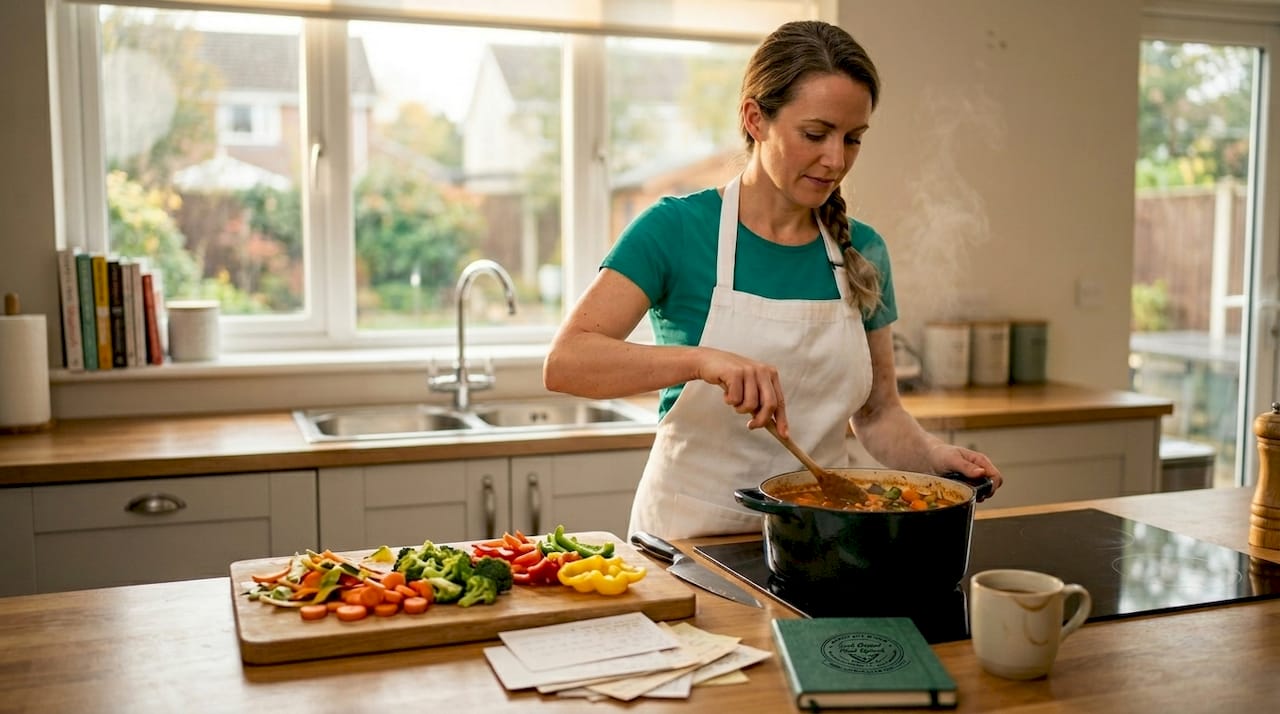
The role of cooking habits in weight management is far more significant than most people realize. Many individuals focus on calorie counts and exercise routines while overlooking what happens in the kitchen before food ever reaches the plate. The method you use to cook, how often you cook at home, and how you organize your weekly meals all directly shape your diet quality, calorie intake, and long-term weight outcomes. This article covers the evidence-based habits, techniques, and practical strategies that translate everyday cooking into a genuine tool for sustainable weight loss.
Table of Contents
Key takeaways
Point | Details |
Cook at home more often | Cooking more than twice a week reduces fat, sugar, and processed food intake measurably. |
Use moist cooking methods | Steaming and boiling lower harmful compounds and support better cholesterol and weight outcomes. |
Embrace repetitive meals | Eating similar meals consistently reduces decision fatigue and improves weight loss adherence. |
Batch cook strategically | Preparing food in bulk reduces reliance on ultra-processed convenience foods on busy days. |
Build habits, not rules | Structured cooking routines create automatic healthy choices that outlast any short-term diet. |
How cooking habits shape weight management
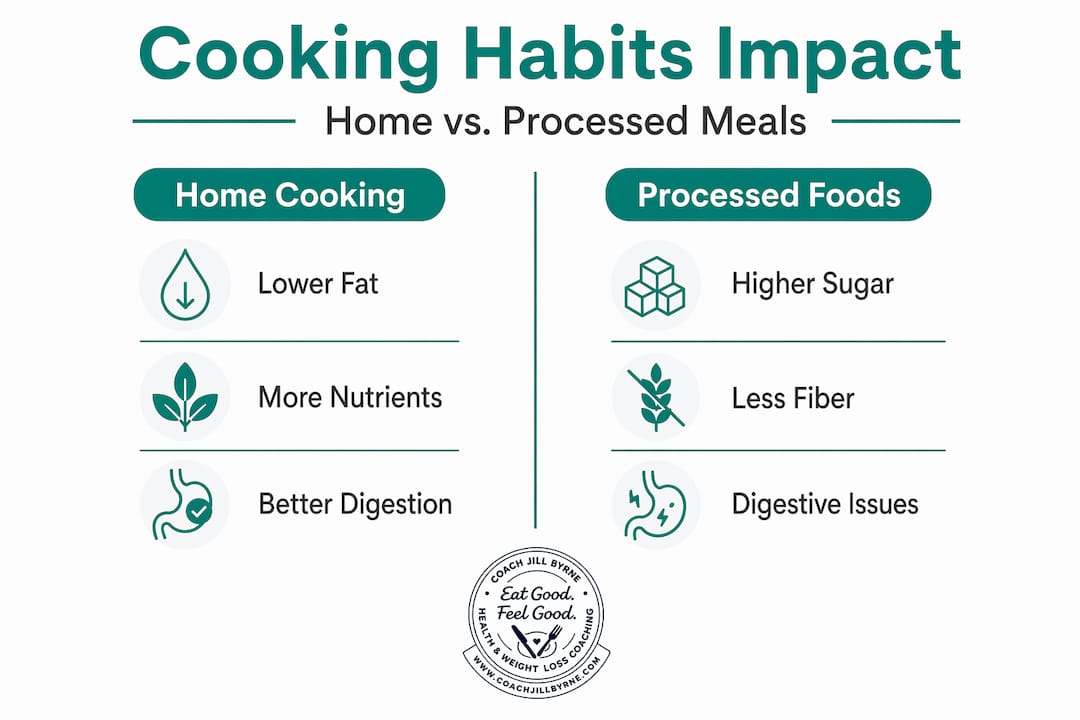
Most weight management conversations center on what to eat. Far fewer address how often you cook and where that food comes from. Research shows that cooking more than twice weekly reduces intake of fats, sugars, and processed carbohydrates while lowering dependence on fast food and ready-made meals. Those are not small effects. They represent a measurable shift in overall diet quality that compounds over weeks and months.
Home cooking also raises Healthy Eating Index scores, which reflect how closely a person’s diet matches evidence-based dietary guidelines. People who cook at home consume more fruits and vegetables and nutrient-dense foods compared to those who rely heavily on restaurant meals or packaged options. Better food composition naturally supports healthy weight control without requiring rigid calorie tracking.
The short-term benefits appear quickly. Cooking at home three nights a week produces immediate improvements in digestive comfort and energy levels, which motivates continued effort. Over time, these small changes translate into sustained metabolic improvements that support lasting weight management. The barrier most people face is not capability. It is the false belief that home cooking requires significant time or culinary skill.
Pro Tip: Start by replacing just two restaurant or takeout meals per week with simple home-cooked options. A grain bowl or a sheet-pan vegetable dish takes under 30 minutes and builds the habit without overwhelming your schedule.
Here is what consistent home cooking does for your health and weight over time:
Reduces daily calorie intake by eliminating hidden oils, sauces, and portion inflation common in restaurant meals
Improves fiber intake from whole ingredients, which supports satiety and healthy digestion
Lowers sodium consumption, reducing water retention and cardiovascular strain
Gives you direct control over sustainable weight loss foods and cooking fats used per meal
Builds awareness of portion sizes through repeated hands-on preparation
Why repetitive meals support long-term weight loss
One of the most counterintuitive findings in nutrition research involves meal variety. The popular belief is that eating a wide range of different foods keeps people healthier and more motivated. The data tells a more nuanced story. Individuals following repetitive eating habits lost an average of 5.9% body weight over 12 weeks compared to 4.9% for those eating varied diets. That one-percent difference may sound modest, but it reflects a pattern that becomes increasingly significant over a full year.

The reason repetitive eating works comes down to behavioral science. Eating similar meals consistently reduces the mental effort required to make food decisions throughout the day. When healthy choices become automatic rather than deliberate, adherence improves and the risk of impulsive poor choices drops. Stable calorie intake with repetitive meals reduces decision fatigue and supports sustained dietary adherence in ways that novelty-driven eating rarely achieves.
This approach also connects to the concept of cognitive restraint in weight management. Cooking habit mastery builds cognitive restraint that differentiates lasting behavior change from temporary willpower. Willpower is a limited resource. Automated cooking habits are not.
Here is a practical framework for building a repetitive meal structure that supports your weight goals:
Identify three to four breakfasts, lunches, and dinners that you genuinely enjoy and that align with your nutrition goals.
Rotate those meals on a consistent weekly or biweekly schedule rather than improvising daily.
Track how those meals make you feel physically, noting satiety, energy, and digestion.
Adjust portions and ingredients gradually as you build familiarity, rather than overhauling the plan frequently.
Reserve meal variety for social occasions or planned treat meals so novelty does not disrupt your baseline habits.
“The goal is not to eat the same thing forever. The goal is to build a reliable structure that removes daily food stress and keeps healthy eating on autopilot.” This framing shifts weight management from a constant battle of choices into a stable, manageable routine.
Understanding why weight loss maintenance requires behavioral consistency, not constant dietary reinvention, helps explain why this approach outperforms most trendy eating plans.
Cooking techniques and their impact on health
Changing what you cook matters. Changing how you cook it matters just as much. The impact of cooking styles on health extends well beyond calorie content. High-heat and dry-heat methods such as grilling, roasting, and frying generate advanced glycation end-products, commonly called AGEs. These compounds accelerate inflammation and oxidative stress in the body, both of which are linked to metabolic dysfunction and weight management challenges. Research confirms that boiling and steaming reduce AGEs significantly compared to high-heat methods.
Switching from dry-heat to moist cooking methods has also demonstrated direct physiological benefits. Participants who shifted to boiling and steaming showed better cholesterol profiles and modest weight loss without changing the actual ingredients they consumed. The method itself drove measurable improvements. That is a finding worth taking seriously.
Water-based cooking also improves nutrient absorption. Moist heat breaks down plant cell walls, enhancing the bioavailability of beta-carotene, minerals, and proteins. You get more nutritional value from the same food simply by changing your preparation method. For anyone focused on nutrition and cooking practices that genuinely support health, this is one of the highest-return adjustments available.
Cooking method | AGE production | Nutrient retention | Weight management impact |
Steaming | Low | High | Positive |
Boiling | Low | Moderate to high | Positive |
Baking | Moderate | Moderate | Neutral |
Grilling | High | Moderate | Negative (inflammation risk) |
Frying | Very high | Low | Negative (calorie and AGE load) |
Pro Tip: Use acidic marinades with lemon juice or vinegar before any high-heat cooking. Acidic marinades reduce AGE formation by up to 50%, providing meaningful nutritional protection even when grilling is your preferred method.
Choosing safe cookware materials also matters when practicing healthy cooking techniques, since certain cookware can leach compounds into food during high-heat preparation.
Strategic meal prep for weight management
Organized kitchen habits are a public health tool as much as a personal convenience. Batch cooking reduces reliance on ultra-processed convenience foods by removing the daily exhaustion that leads to poor food choices. When healthy food is already prepared and ready to serve, the path of least resistance shifts from takeout to a meal you made yourself.
Meal prep for weight management does not require hours of weekend cooking. It requires a structured approach that minimizes decision-making on busy weekdays. Cooking a large batch of grains, roasting a sheet pan of vegetables, and preparing a protein source on Sunday creates the building blocks for multiple meals through the week. Assembly takes minutes when the components are ready.
Batch preparation addresses fatigue-driven food choices, which are among the most common causes of dietary lapses. When you are tired and hungry at 7 p.m., a pre-made meal from your refrigerator beats a delivery app every time. Pressure cookers reduce cooking time for staple grains by up to 70%, making home cooking more realistic for people with demanding schedules.
Here are practical habits to build an effective weekly cooking system:
Dedicate one session per week (60 to 90 minutes) to batch cooking your primary proteins and grains
Store prepped components in clear containers so they are visible and accessible throughout the week
Plan your weekly meals before grocery shopping to reduce impulse purchases and food waste
Use freezer-friendly recipes for soups, stews, and grain dishes to extend your meal prep reach
Schedule meals at consistent times each day to build the predictable eating patterns that support how cooking affects weight control
A realistic nutrition plan pairs naturally with these batch cooking habits, giving your prepared meals a clear nutritional framework and purpose.
My take on cooking habits as the real foundation for weight loss
I have worked with clients across a wide range of goals and starting points, and one pattern stands out consistently. The people who achieve lasting results are not those who follow the strictest diets. They are the ones who get their kitchen habits in order.
In my experience, most weight loss programs skip the part that actually determines success. They hand someone a meal plan but never address how that person relates to food preparation, kitchen organization, or the stress of daily cooking decisions. The result is a beautifully designed plan that falls apart by week three.
What I have learned is that cooking habits and weight loss are inseparable in practice. When clients build even three reliable home-cooked meals into their weekly routine, their entire relationship with food changes. The anxiety around eating decreases. Their confidence grows. They stop feeling like weight management is something being done to them and start feeling like it is something they control.
The contrarian view I hold is this: willpower-based dieting fails not because people lack discipline, but because it demands constant conscious effort where habit should be doing the work. A person who has mastered a handful of go-to healthy meals they genuinely enjoy will always outperform someone white-knuckling through a 30-day challenge.
Structured cooking routines are not restrictive. They are freeing. They reduce the daily mental load of food decisions and create the psychological stability that makes sustainable weight management possible.
— Coach Jill
How Coachjillbyrne helps you build lasting cooking habits
If the research in this article resonates with you, the next step is translating it into a system that works for your specific life, schedule, and goals. That is exactly what Coachjillbyrne is built to support.

Coachjillbyrne provides personalized nutrition coaching that goes beyond meal plans and generic dietary advice. The coaching programs address the behavioral and practical dimensions of eating, including cooking habit development, meal planning structure, and the accountability needed to make new habits stick. Clients receive guidance tailored to their actual circumstances, whether that means building a batch cooking routine from scratch, learning effective cooking habits for dieting, or finding a sustainable approach after years of stop-and-start weight loss efforts.
The goal at Coachjillbyrne is not short-term results. It is lasting change built on realistic, practical habits that fit your daily life. If you are ready to stop relying on willpower and start building a kitchen routine that supports your weight management goals, personalized coaching can make that process far more direct and effective.
FAQ
How does cooking at home affect weight management?
Cooking at home more than twice a week is linked to lower intake of fats, sugars, and processed foods, all of which directly support healthier weight outcomes. Home cooking also improves overall diet quality by increasing consumption of whole foods and nutrient-dense ingredients.
What cooking method is best for weight loss?
Moist cooking methods like steaming and boiling produce fewer harmful compounds and have been linked to better cholesterol profiles and modest weight loss compared to high-heat methods like grilling or frying.
Does eating the same meals every day help with weight loss?
Research shows that individuals with repetitive eating habits lost an average of 5.9% of body weight over 12 weeks compared to 4.9% for those following varied diets, suggesting that meal consistency supports adherence and better outcomes.
How does meal prep support weight management goals?
Batch cooking reduces daily cooking fatigue and lowers reliance on ultra-processed convenience foods. Having healthy meals prepared in advance makes nutritious choices the easiest option, especially on busy or stressful days.
Are cooking habits more important than dieting for weight loss?
Cooking habits form the behavioral foundation that makes any dietary approach sustainable. Without consistent cooking practices, even well-designed nutrition plans tend to break down under real-life conditions.
Recommended
Comments