
Pantry Staples for Healthy Family Meals: A Practical Guide
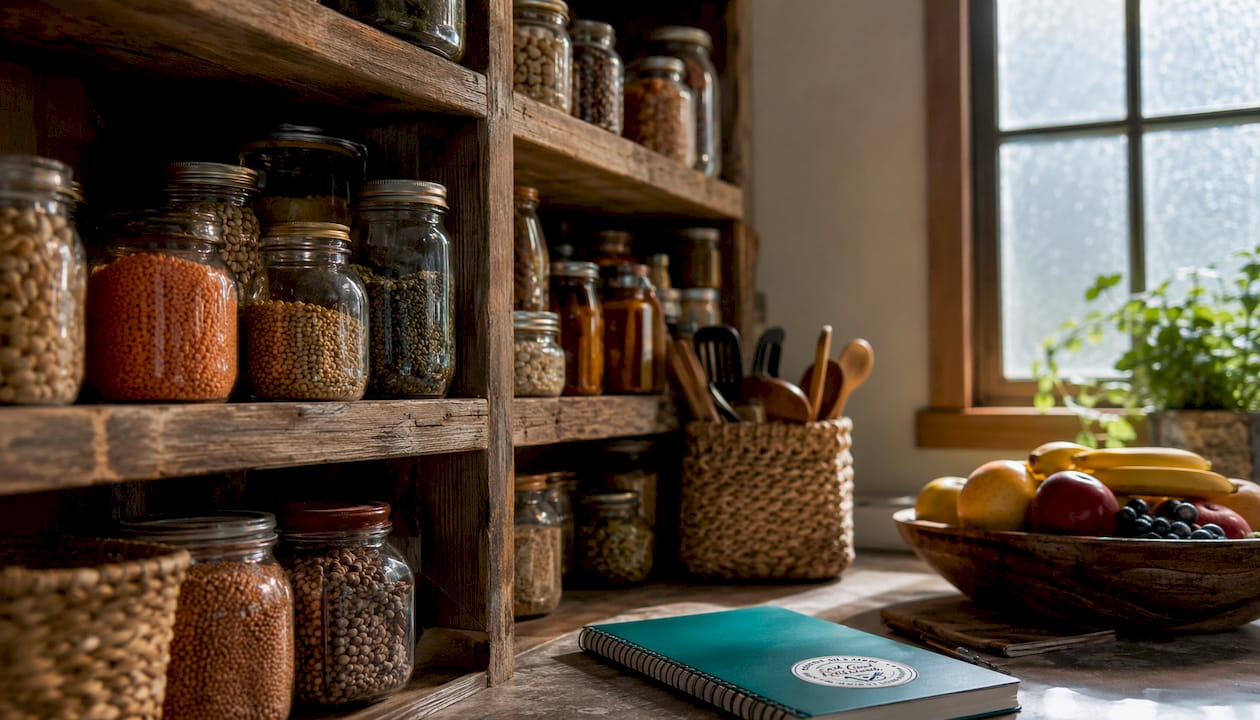
Quick and nutritious family meals you can make tonight
A well-stocked pantry makes healthy family meals achievable on any weeknight, without a grocery run or a complicated recipe. The meals below draw on shelf-stable staples that nutrition experts at the Friedman School of Nutrition Science and Policy at Tufts consistently recommend: legumes, whole grains, canned proteins, and quality fats. Each one comes together in 30 minutes or less.
Red lentil soup — Red lentils, canned tomatoes, cumin, and turmeric. High in plant protein and fiber, ready in 20 minutes from dry pantry items.
White bean and pasta skillet — Cannellini beans, whole-wheat pasta, low-sodium broth, and garlic. A complete protein-and-carb meal in one pan.
Canned salmon grain bowl — Wild-caught canned salmon over brown rice or quinoa, finished with lemon juice and olive oil. Rich in omega-3s and B vitamins.
Black bean tacos — Rinsed canned black beans seasoned with smoked paprika and garlic powder, served in whole-wheat tortillas with canned corn.
Tuna and whole-grain pasta — Low-sodium canned tuna stirred into whole-grain pasta with canned tomatoes and dried oregano. Ready in under 25 minutes.
Lentil and vegetable stew — Brown or green lentils simmered with canned diced tomatoes, low-sodium broth, and curry powder. Freezes well for future meals.
Oat-based overnight breakfast — Rolled oats, nut butter, and frozen berries prepared the night before. Provides soluble fiber and sustained morning energy.
Quinoa and chickpea bowl — Cooked quinoa topped with rinsed canned chickpeas, olive oil, and smoked paprika. Quinoa supplies all nine essential amino acids, making it a complete plant protein.
Peanut butter noodles — Whole-grain noodles tossed with natural peanut butter, soy sauce, garlic powder, and a splash of apple cider vinegar. Kid-friendly and ready in 20 minutes.
Chili with mixed beans — Kidney beans, black beans, canned tomatoes, and chili powder simmered together. Batch-cook and freeze portions for easy weeknight dinners later.
Table of Contents
How pantry staple categories translate into varied healthy recipes
Organizing your pantry by ingredient category makes meal planning faster and reduces decision fatigue on busy evenings. Each category below anchors a different set of nutritious, family-friendly recipes.
Legumes: beans, lentils, and peas
Beans and lentils deliver protein, fiber, iron, magnesium, and potassium in one shelf-stable package. The American Heart Association recommends keeping no-salt-added or low-sodium canned varieties on hand for quick meals. Recipe ideas include:
Bean and vegetable soup
Lentil curry over brown rice
Mashed bean quesadillas
Chickpea and grain salad with vinaigrette
Whole grains: oats, brown rice, quinoa, and pasta
Dietary patterns built around whole grains are associated with lower risk of heart disease and type 2 diabetes, according to Tufts nutrition researchers. Whole-wheat pasta, rolled oats, and quinoa each serve a different meal occasion, from a warm breakfast porridge to a quick weeknight grain bowl. Recipe ideas:
Overnight oats with nut butter and frozen fruit
Brown rice stir-fry with canned vegetables and low-sodium soy sauce
Quinoa pilaf with canned tomatoes and dried herbs
Whole-wheat pasta with white beans and garlic
Canned proteins: tuna, salmon, and chicken
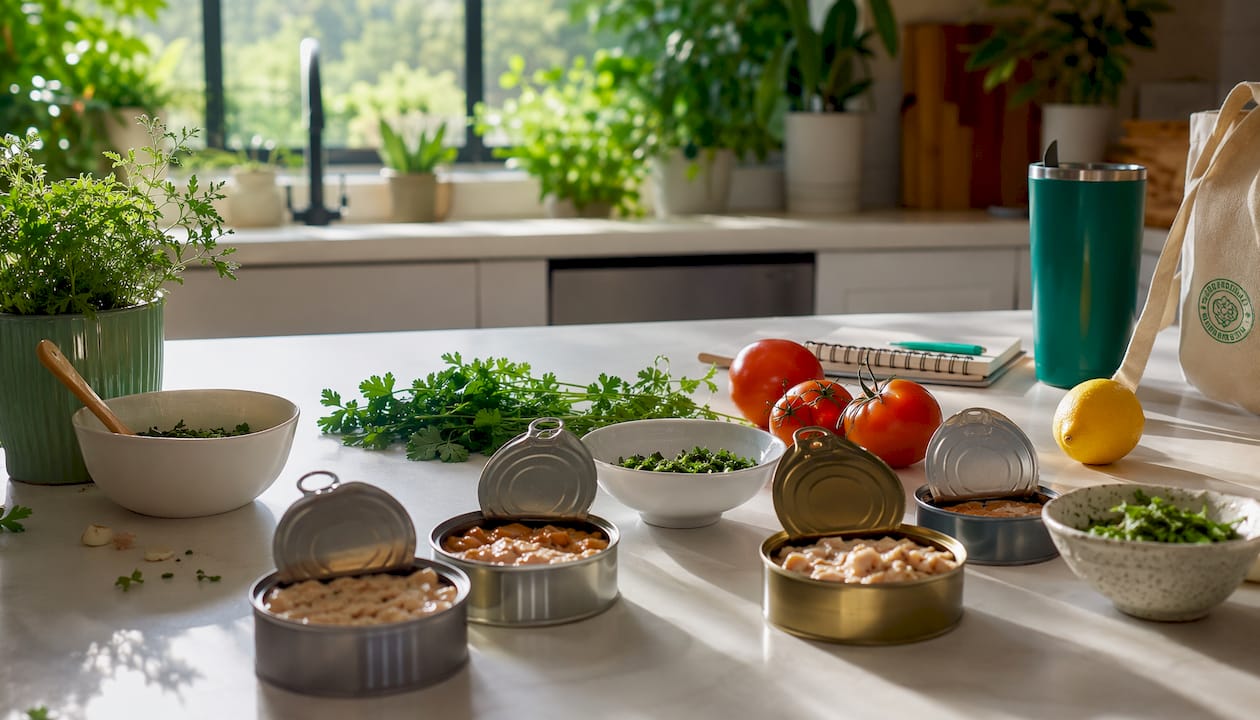
Canned wild-caught fish provides lean protein and heart-healthy omega-3 fatty acids at a fraction of the cost of fresh. Canned tuna and salmon work equally well in salads, pasta sauces, and grain bowls.
Canned vegetables and tomatoes
Canned tomatoes contain more bioavailable lycopene than raw tomatoes because heat processing increases lycopene absorption. Low-sodium canned vegetables add fiber and micronutrients to soups, stir-fries, and casseroles without requiring fresh produce.
Nuts, seeds, and nut butters
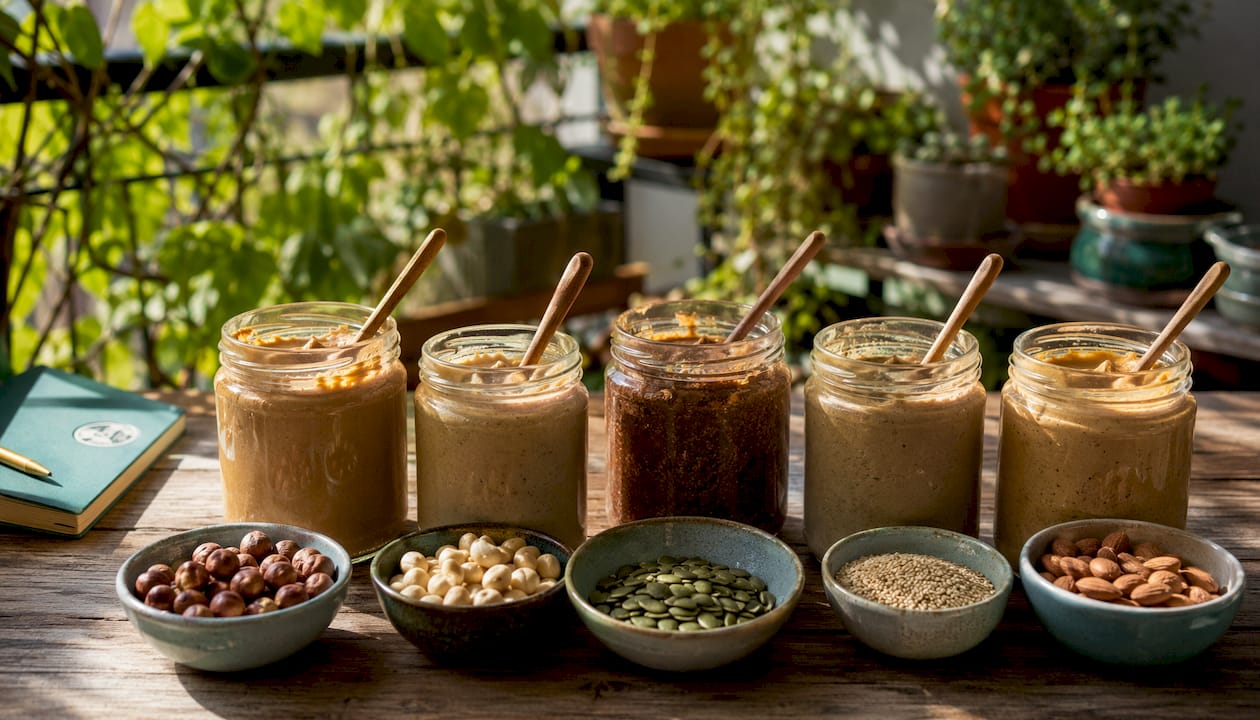
Nut butters provide plant protein, healthy unsaturated fats, and sustained energy. Natural peanut butter and almond butter are the most affordable options; seeds and seed butters work well for households managing nut allergies.
How to stock a pantry that supports quick, nutritious family meals
A functional pantry for healthy family cooking goes beyond the cabinet. The USDA recommends treating the freezer as an extension of your pantry, keeping staples like whole-grain bread, tortillas, and proteins frozen and ready. That approach helps families avoid last-minute takeout when fresh ingredients run low.
Core pantry items to keep stocked:
Canned beans (black, kidney, cannellini, chickpeas) in low-sodium or no-salt-added varieties
Whole grains: rolled oats, brown rice, quinoa, whole-wheat pasta
Canned tomatoes (diced, whole, or pureed, no added salt)
Low-sodium broth for soups, grain cooking, and braising
Natural nut butters (peanut, almond, or tahini)
Extra-virgin olive oil and apple cider vinegar
Dried herbs and spices: cumin, smoked paprika, garlic powder, turmeric, oregano, cinnamon
Freezer and refrigerator staples to integrate:
Frozen vegetables (no added sauces or salt)
Frozen fruit for oatmeal and smoothies
Whole-grain bread and tortillas
Unbreaded fish fillets and skinless chicken breasts
Storage and rotation tips:
Store dried beans, grains, and oats in airtight containers in a cool, dark place. Dried beans last indefinitely when stored properly; whole grains need cool, dry conditions to maintain quality.
Follow the FIFO method: first in, first out. Use older items before newer ones to minimize waste and keep your pantry fresh.
Keep pantry temperatures below 75 degrees Fahrenheit and away from direct sunlight or heat sources.
Pro Tip: Label containers with the purchase date when you transfer grains or legumes to airtight jars. A quick glance tells you which items to use first, cutting down on waste without any extra tracking.
Flavoring strategies that make pantry meals genuinely appealing
Plain pantry staples taste bland without deliberate seasoning. The solution is flavor layering: building depth with aromatics, warming spices, healthy fats, and acids rather than relying on salt. Spices and dried herbs are calorie-free flavor boosters that also carry antioxidant and anti-inflammatory compounds.
A few combinations worth keeping in regular rotation:
Turmeric and black pepper — Piperine in black pepper increases curcumin absorption by up to 2,000%, so these two spices always belong together.
Smoked paprika and garlic powder — Adds depth and a mild smokiness to beans, grains, and roasted vegetables.
Cumin and coriander — The backbone of lentil soups, chilis, and grain bowls across many culinary traditions.
Dried oregano and balsamic vinegar — A simple pairing that lifts canned tomato sauces and white bean dishes.
Apple cider vinegar or lemon juice — A small splash at the end of cooking brightens any shelf-stable dish and balances richness from olive oil or nut butter.
Spices lose potency within 6–12 months, so a spice shelf that hasn’t been refreshed in over a year will produce noticeably flat meals. Check dates and replace as needed.
Pro Tip: Buy spices in small quantities from bulk bins or international grocery stores. The same spice that costs $8 in a small jar at a mainstream supermarket often costs $2 in a larger bag at an Indian or Middle Eastern market.
Meal prep and cooking strategies for busy families
The most practical approach to healthy meal prep with pantry staples is component-based cooking rather than preparing complete meals. Cook a large batch of grains, a pot of beans, and a tray of roasted vegetables on Sunday, then mix and match them across different meals throughout the week. This reduces cooking fatigue and keeps variety high without requiring a new recipe every night.
Time-saving tools and techniques:
A pressure cooker or Instant Pot cuts dried bean cooking time from 90 minutes to under 30.
A sheet pan handles roasted vegetables and proteins simultaneously, with minimal cleanup.
Glass meal prep containers allow you to portion cooked grains and legumes for grab-and-go lunches.
Accommodating dietary restrictions with pantry staples:
Pantry-based cooking adapts naturally to common dietary needs. Beans and lentils replace meat proteins for vegetarian and vegan families. Gluten-free households can substitute brown rice, quinoa, or certified gluten-free oats for wheat-based grains. For nut allergies, seeds and seed butters provide comparable nutrition without the allergen risk.
Budget and planning guidance:
Buying whole grains and legumes in bulk reduces per-serving costs considerably. Canned fish, beans, and tomatoes are among the most nutrient-dense foods per dollar available in any American grocery store. Planning meals around what is already in the pantry before shopping, rather than after, prevents duplicate purchases and reduces food waste. Coachjillbyrne’s guidance on cooking healthy on a budget offers additional practical strategies for families working within a set grocery budget.
Pro Tip: Write a “pantry inventory” list on your refrigerator door and update it as you use items. Knowing exactly what you have on hand makes weeknight meal decisions faster and prevents buying duplicates.
Getting the most nutrition from canned and dried staples
Canned and dried foods retain strong nutritional profiles when handled correctly. The most common mistake families make is skipping the rinse on canned beans. Rinsing canned legumes removes up to 40% of added sodium, which matters for families managing blood pressure or following heart-healthy eating patterns recommended by the American Heart Association.
Choosing low-sodium or no-salt-added versions of canned tomatoes, vegetables, and broth gives you full control over the sodium level in a finished dish. When cooking dried grains, using low-sodium broth instead of water adds flavor without excess salt, a technique that registered dietitians consistently recommend for pantry-based cooking.
Pairing canned tomatoes with a small amount of olive oil improves lycopene absorption, since lycopene is a fat-soluble antioxidant. Similarly, combining iron-rich legumes with a vitamin C source, such as canned tomatoes or a squeeze of lemon juice, increases the amount of plant-based iron your body absorbs from the meal. These small adjustments require no extra time but meaningfully improve the nutritional return from everyday pantry ingredients.
Ready to build a healthier routine for your family?

Knowing which pantry staples to keep and how to use them is a strong foundation. Turning that knowledge into consistent, sustainable habits is where personalized support makes a real difference. Coachjillbyrne offers nutrition coaching designed around real food, practical meal planning, and accountability that fits into family life. Whether you are working on home cooking habits or looking for structured guidance on portion control and meal planning, personalized coaching provides the framework to make healthy eating a lasting part of your family’s routine.
Key Takeaways
Pantry staples healthy family meals are most achievable when you stock legumes, whole grains, canned proteins, and quality fats, then season them deliberately and prep components in bulk.
Point | Details |
Rinse canned beans | Rinsing canned beans and vegetables removes up to 40% of added sodium, improving heart health for the whole family. |
Pair turmeric with black pepper | Black pepper increases curcumin absorption by up to 2,000%, maximizing the anti-inflammatory benefit. |
Replace spices every 6–12 months | Spices lose potency after 6–12 months; stale spices produce flat-tasting pantry meals. |
Use FIFO rotation | First in, first out keeps pantry items fresh and reduces food waste over time. |
Cook components, not complete meals | Batch-cooking grains, beans, and vegetables separately creates flexible, varied weeknight meals with less daily effort. |
FAQ
What are the best pantry staples for quick family meals?
The most useful staples are canned beans, whole grains (brown rice, quinoa, oats), canned tomatoes, low-sodium broth, canned tuna or salmon, natural nut butters, and olive oil. These ingredients combine to create balanced, protein-rich meals in 30 minutes or less.
How do you reduce sodium in canned pantry foods?
Rinse canned beans and vegetables under running water before cooking. Research from Tufts University shows this removes up to 40% of added sodium. Choosing low-sodium or no-salt-added varieties provides additional control.
Can pantry staples support a complete, balanced diet?
Yes. Pairing legumes with whole grains covers protein and complex carbohydrates; adding canned fish or nut butters provides healthy fats; and canned tomatoes or frozen vegetables supply vitamins and antioxidants. A well-stocked pantry supports nutritionally complete meals without fresh ingredients every day.
How long do dried pantry staples last?
Dried beans last indefinitely when stored in airtight containers in a cool, dry place. Whole grains like brown rice and quinoa maintain quality for up to one to two years under similar conditions. Spices remain potent for 6–12 months before losing flavor.
What is the most budget-friendly way to stock a healthy pantry?
Buy dried beans, lentils, and whole grains in bulk. Canned fish, beans, and tomatoes offer high nutritional value per dollar. Purchasing spices from bulk bins or international grocery stores reduces costs significantly compared to standard supermarket jars.
Recommended
Comments