
What Does a Healthy Relationship with Food Mean?

A healthy relationship with food is defined as one where you nourish your body adequately, enjoy eating without guilt, and respond to your body’s hunger and fullness cues rather than external diet rules. Nutritional psychology calls this framework intuitive eating, a term coined by dietitians Evelyn Tribole and Elyse Resch that integrates physical nutrition, emotional awareness, and mindful enjoyment. Understanding what does healthy relationship with food mean goes well beyond choosing salad over fries. It means rejecting diet culture, dismantling food guilt, and building trust with your own body. Experts like Rhiannon Lambert and organizations like the World Health Organization (WHO) confirm that balance, moderation, and pleasure are all non-negotiable parts of sustainable nutrition.
What does a healthy relationship with food really mean?
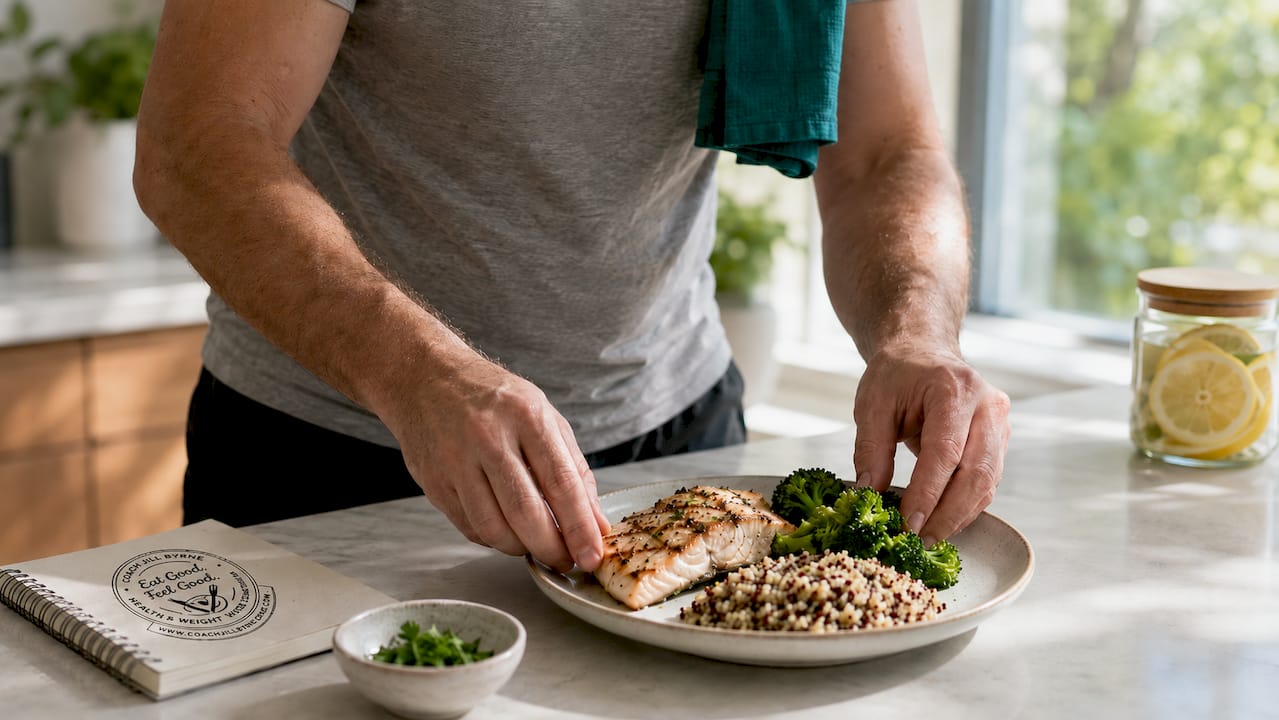
A healthy food relationship rests on four nutritional principles the WHO identifies as adequacy, balance, moderation, and diversity. These principles describe not just what you eat, but how you relate to eating as a daily practice. WHO nutritional guidelines recommend a plate composed of approximately 50% fruits and vegetables, 25% whole grains, and 25% lean proteins. That structure gives your body consistent fuel without demanding perfection at every meal.
The psychological side is equally concrete. A healthy eater does not label foods as “good” or “bad.” That black-and-white thinking, as Rhiannon Lambert explains in her TEDx talk, is one of the primary barriers to healthy eating that most people never identify as the problem. Flexible thinking replaces rigid rules. You eat a cookie and move on, rather than spiraling into guilt and restriction.
Internal cues replace external rules in a healthy food relationship. You eat when you are hungry. You stop when you are satisfied. You do not need an app, a calorie counter, or a diet plan to tell you when your body needs fuel. That internal authority is the foundation of intuitive eating and the goal of most evidence-based nutrition coaching.
WHO Principle | What It Means | Practical Example |
Adequacy | Eating enough to meet energy and nutrient needs | Three balanced meals plus snacks when hungry |
Balance | Including all food groups without exclusion | Proteins, grains, fats, and produce at most meals |
Moderation | No food is forbidden; portions are mindful | Enjoying dessert without finishing the whole pan |
Diversity | Rotating foods to cover micronutrient gaps | Trying different vegetables, grains, and proteins weekly |
Pro Tip: Practicing mindful eating, even for just one meal per day, measurably improves nutrition adherence over time. Start by putting your fork down between bites and noticing how the food actually tastes.
How does emotional eating affect your food relationship?
Emotional eating is defined as using food to manage feelings rather than to satisfy physical hunger. Emotional eating occurs most often in response to boredom, loneliness, and stress, reinforced by brain chemicals that provide temporary relief. That neurological reward loop makes food a reliable coping mechanism, which is why willpower alone never breaks the cycle.
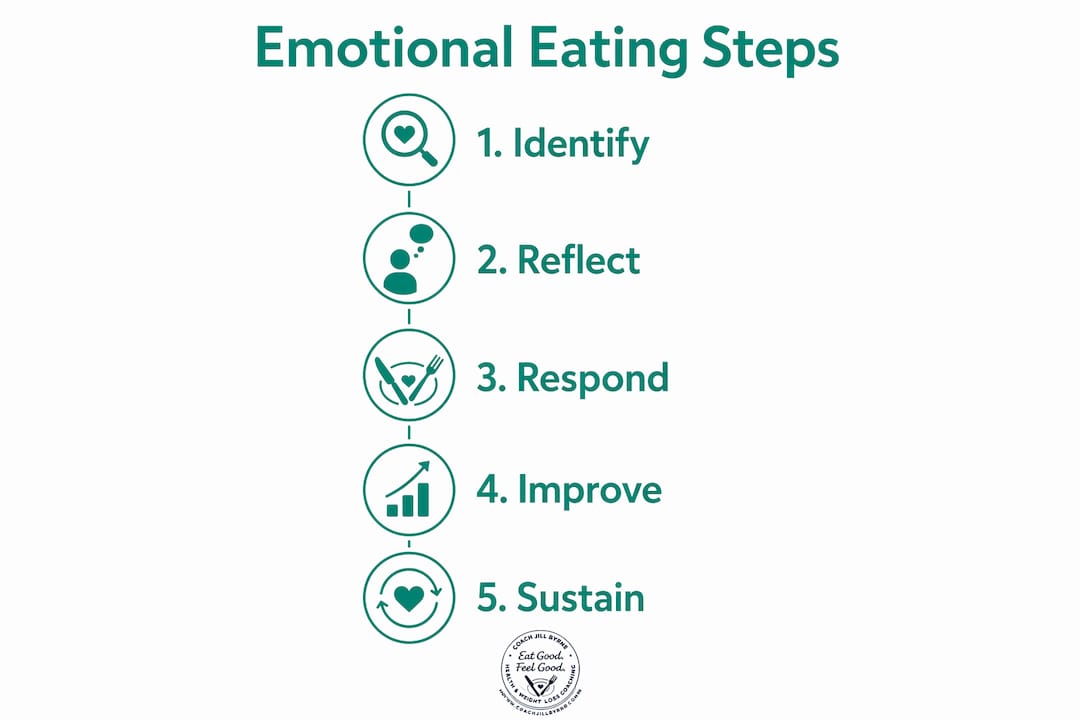
The shift from reactive eating to reflective eating is the turning point. Reactive eating means reaching for food the moment discomfort appears. Reflective eating means pausing to ask what you actually need before you open the refrigerator. That pause does not require meditation or therapy. It requires a moment of honest self-inquiry.
Research from BBC Future published in April 2026 shows that people who enjoy food within balance succeed more in long-term weight management than those who feel guilt about indulgence. Guilt, it turns out, is not a motivator. It is a saboteur. When you feel shame after eating, you are more likely to continue overeating, not less.
Here are four practical techniques to shift from reactive to reflective eating:
Keep a food and feelings journal. Write down what you ate, when you ate it, and what you were feeling beforehand. Patterns emerge within two weeks.
Pause for two minutes before eating outside of mealtimes. Ask whether you are physically hungry or emotionally uncomfortable.
Name the emotion. Stress, boredom, and loneliness each call for different responses. Naming the feeling reduces its urgency.
Build a non-food comfort list. Identify three to five activities that genuinely soothe you, such as a short walk, a phone call, or music, and keep that list visible.
Pro Tip: Identifying your top two emotional eating triggers, whether stress or boredom, lets you create a specific response plan before the urge hits. Preparation beats willpower every time.
What are the biggest misconceptions about food relationships?
The most damaging misconception is that a poor relationship with food is a willpower problem. Eating disorder specialists are clear: people often lack safety, not willpower, to control eating. When food feels forbidden or morally loaded, the brain treats it as scarce. Scarcity triggers urgency. Urgency produces overeating. The binge-restrict cycle is not a character flaw. It is a predictable response to diet culture’s rules.
Rhiannon Lambert and Dr. Nina Savelle-Rocklin both emphasize that compassionate, personalized nutrition outperforms calorie counting and weight obsession for long-term outcomes. Stanford psychologists studying behavior change confirm that identity-based shifts, changing how you see yourself as an eater, produce more durable results than rule-based diets. You do not follow a plan forever. You become someone who eats in a way that feels good.
Here are the most common misconceptions, paired with the healthier alternative:
Myth: Eating “bad” foods means you failed. Reality: No single food determines your health or your worth.
Myth: Strict rules create discipline. Reality: Rigid rules create the binge-restrict cycle.
Myth: Hunger is the enemy. Reality: Hunger is a biological signal that deserves a response.
Myth: Healthy eating means never enjoying food. Reality: Enjoyment is a feature of sustainable nutrition, not a reward for compliance.
Diet Culture Model | Compassionate Eating Model |
External rules dictate what to eat | Internal hunger and fullness cues guide eating |
Foods labeled “good” or “bad” | All foods fit within a flexible framework |
Weight is the primary measure of success | Energy, mood, and satisfaction are success markers |
Guilt follows indulgence | Pleasure is part of the eating experience |
Restriction leads to control | Satisfaction reduces the urge to overeat |
How can you practically build a positive food relationship?
Building a positive food relationship starts with the mindset of indulgence over restraint. That does not mean eating without awareness. It means prioritizing satisfaction and body needs over external approval. Labeling food as “healthy” can actually reduce its hedonic value, increasing the risk of later overeating. Focusing on how food tastes and how it makes you feel produces more sustainable intake than tracking its nutritional credentials.
Mindful eating is the practice of paying full attention to the experience of eating, including taste, texture, hunger level, and satisfaction. Learning how to eat mindfully does not require a formal program. It starts with removing screens during meals and noticing when you feel comfortably full rather than stuffed.
Small, consistent behavior changes, such as adding plant-based foods and listening to hunger cues, produce more durable health improvements than any weight-focused diet. Rhiannon Lambert’s TEDx research confirms that personalized approaches outperform scale-focused programs over time. The goal is not a perfect diet. The goal is a diet you can sustain for life.
Practical steps to build and maintain a healthy food relationship:
Practice self-compassion after difficult eating moments. One meal does not define your habits.
Explore new foods without pressure. Culinary curiosity builds dietary diversity naturally.
Eat without distraction at least once a day. Full attention amplifies satisfaction and reduces portion creep.
Replace processed snacks with satisfying real food options. Whole foods like nuts, fruit, and yogurt provide lasting fullness. Coachjillbyrne’s guide on replacing processed snacks offers specific substitutions.
Honor hunger without judgment. Waiting too long to eat increases the likelihood of reactive overeating.
Pro Tip: When a craving hits, try eating a small portion of the actual food you want rather than substituting a “healthier” version. Satisfaction reduces the urge to keep eating far more reliably than deprivation does.
Key takeaways
A healthy relationship with food requires balancing nutritional adequacy, emotional awareness, and genuine enjoyment, without guilt, rigid rules, or diet culture interference.
Point | Details |
Definition of healthy food relationship | It means eating with balance, pleasure, and respect for your body’s hunger signals. |
WHO nutritional framework | Adequacy, balance, moderation, and diversity form the foundation of sustainable eating. |
Emotional eating requires reflection | Shifting from reactive to reflective eating breaks the guilt-overeating cycle. |
Willpower is not the issue | Building internal food safety and self-compassion produces more lasting change than rules. |
Small changes outperform strict diets | Consistent, enjoyable habits create durable results that weight-focused diets cannot match. |
What i have learned from watching clients heal their food relationship
After working with hundreds of clients, the pattern I see most often is this: people arrive believing they lack discipline. What they actually lack is permission. Permission to enjoy food. Permission to feel full. Permission to eat something they love without spending the rest of the day punishing themselves for it.
The non-linear healing process is real, and it is slower than most people expect. I have watched clients make genuine progress for three weeks, then have a hard weekend, and conclude they are back to square one. They are not. Healing a food relationship is not a straight line. It is a series of small recalibrations, and every one of them counts.
What actually moves the needle is not a new meal plan. It is a shift in identity. When a client stops seeing themselves as someone who “can’t control themselves around food” and starts seeing themselves as someone who is learning to trust their body, everything changes. The food choices follow. The guilt fades. The satisfaction increases.
Eating is a form of self-care. Treating it that way, with patience, curiosity, and some genuine pleasure, is not indulgent. It is the most practical nutrition strategy available.
— Coach Jill
How Coachjillbyrne supports your food relationship journey
Coachjillbyrne’s approach to nutrition is built on the same principles this article covers: compassionate, individualized guidance that replaces restriction with sustainable habits. The coaching philosophy prioritizes real food, mindful eating, and accountability over calorie counting or short-term diets.

If you are ready to move from guilt-driven eating to a food relationship built on balance and self-respect, Coachjillbyrne’s coaching philosophy outlines exactly how that process works. The approach is practical, personalized, and grounded in the same evidence-based nutrition principles covered here. Explore the philosophy page to understand how structured, compassionate support can help you build the food relationship you have been working toward.
FAQ
What does a healthy relationship with food mean?
A healthy relationship with food means eating with balance, enjoyment, and respect for your body’s hunger and fullness cues, without guilt, obsession, or rigid rules. It integrates nutritional adequacy with emotional awareness and genuine pleasure.
What is intuitive eating and how does it relate to food relationships?
Intuitive eating is a self-care framework developed by dietitians Evelyn Tribole and Elyse Resch that teaches you to honor hunger, reject diet culture, and find satisfaction in eating. It is widely recognized as the clinical model for building a healthy food relationship.
How do i know if i have an unhealthy relationship with food?
Signs include frequent guilt after eating, labeling foods as “good” or “bad,” eating in response to emotions rather than hunger, and cycling between restriction and overeating. Eating disorder specialists note that these patterns reflect a lack of internal food safety, not a lack of willpower.
Can emotional eating be overcome without professional help?
Many people make meaningful progress through reflective practices like food journaling, pausing before eating, and identifying emotional triggers. However, persistent emotional eating tied to trauma or disordered eating patterns benefits significantly from professional support.
What is the fastest way to improve my relationship with food?
The most direct first step is removing moral labels from food. Stop calling foods “good” or “bad” and start noticing how different foods make you feel physically. Research confirms that enjoying food within balance produces better long-term outcomes than guilt-based restriction.
Recommended
Comments